

Structural Engineering Services with Analysis-to-BIM Delivery Control
Structural coordination instability often emerges when analysis updates, BIM revisions, and issued drawings do not move through synchronized control stages. This misalignment results in repeated documentation updates, coordination conflicts, and downstream clarification cycles.
IndiaCADworks’ structural engineering services are delivered under controlled workflows that keep analysis models, BIM environments, and issued documentation synchronized across design iterations. Structural calculations, digital models, and drawing outputs are governed through defined review checkpoints to maintain alignment throughout the project lifecycle.
This governance model reduces revision variability, strengthens traceability between calculations and models, and supports structurally controlled delivery aligned with applicable design codes and BIM standards.
-
Need a Custom Quote?
- Contact Form
- Live Chat
- Email Us
- 855-259-3709
Structural Engineering Services from IndiaCADworks
Structural engineering services are delivered under a defined delivery discipline, with analysis results, BIM geometry, and detailing outputs controlled through formal review and revision checkpoints.
-

Structural analysis and design services are executed in accordance with defined code bases and loading criteria to support gravity, lateral, and construction-stage conditions. Engineering outputs cover reinforced concrete, structural steel, composite, and foundation systems. Design decisions are validated against governing load combinations to reduce downstream revision risk and coordination discrepancies.
-
Structural modeling services are developed as an extension of engineering intent, where analysis-driven member sizing and reinforcement logic are carried into coordinated BIM environments. Deliverables include constructible LOD-aligned models and drawing packages structured to support interdisciplinary coordination and controlled revisions.
-
Steel Detailing & Fabrication Engineering
We provide engineering-backed steel detailing and fabrication workflows that include member detailing, connection detailing, anchor bolt and embed plans, and erection sequencing coordination. Outputs are structured to support fabrication accuracy and erection sequencing while limiting downstream clarification cycles.


-
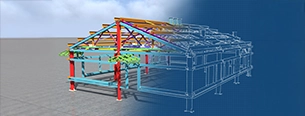
Finite Element Analysis supports validating stress distributions, deflection behavior, and localized performance under complex load scenarios.
-
Construction-Phase Structural Engineering
We support site execution and temporary structural conditions, including formwork and falsework analysis, shoring, bracing, and validation of erection-stage stability. These services assess structural behavior during critical execution stages without extending into site supervision or construction control responsibilities.
-
Retrofitting & Structural Strengthening
Retrofitting and strengthening services assess existing capacity against revised loading, occupancy, or compliance requirements. Engineering outputs define targeted reinforcement or system modification strategies to support life extension, adaptive reuse, or code alignment within the agreed evaluation scope.


-
Need Pricing Details?
- Contact Form
- Live Chat
- Email Us
- 855-259-3709
How Structural Engineering Engagement Is Executed
Engagement begins with structured scope alignment to ensure technical, coordination, and documentation expectations are clearly defined before production begins.
Execution Governance
- Engagement begins only after scope, inputs, and coordination requirements are explicitly aligned.
- Design codes, loading criteria, BIM exchange standards, and responsibility boundaries are confirmed before production.
- Analysis updates, model revisions, and documentation changes are governed through defined review and approval controls.
- Consistency between calculation intent, BIM geometry, and issued outputs is maintained across design iterations.
- Coordination checkpoints are enforced at agreed milestones to validate interdisciplinary alignment and constructability.
- Changes outside the agreed scope follow controlled review paths rather than informal adjustments.
- Revision traceability is maintained to support predictable delivery.
Scope Boundaries and Responsibility Framework
ICW’s structural engineering services cover analysis, modeling, detailing, and engineering validation as defined within the agreed project scope documents.
The following remain client-controlled unless explicitly included in project agreements:
- Final design authority and professional certification
- Statutory approvals and authority submissions
- Site supervision and construction control
- Geotechnical investigation responsibility
Why Engineering Leaders Choose IndiaCADworks as their Structural Technology Partner
IndiaCADworks operates as an engineering technology partner that connects analysis, modeling, and validation systems within a unified production framework.
- Integrated Analysis-to-Model ControlOur engineering environment links structural analysis platforms with BIM modeling tools, ensuring member sizing, reinforcement data, and system behavior remain consistent between calculations and models.
- Standards-Driven Engineering ExecutionProject workflows are aligned with international design codes and client-specific standards, ensuring structural deliverables meet regulatory, performance, and documentation requirements without repeated revision cycles.
- Simulation-Backed Design ValidationFinite element and advanced analysis methods verify structural response under complex load conditions, strengthening design reliability and supporting performance-driven engineering decisions.
- BIM-Integrated Coordination DisciplineStructural models are developed within coordinated BIM environments, enabling clash-aware systems, stronger interdisciplinary alignment, and fewer on-site conflicts during construction.
- Engineering Capacity Within Client ControlsOur engagement model integrates with client-specified tools, file formats, and approval processes, allowing firms to expand engineering capability while maintaining internal systems and standards.
Discuss Your Structural Scope with an Engineering Technology Specialist
Send us drawings, models, or design briefs. Our engineers will review structural systems, project constraints, and modeling requirements to define the right execution framework.
-
Start with a Free Trial?
- Contact Form
- Live Chat
- Email Us
- 855-259-3709


Frequently Asked Questions
Member updates, reinforcement adjustments, and system modifications are incorporated only after coordinated review. Changes are implemented simultaneously across calculation files, models, and documentation before release, maintaining consistency across outputs.
Projects typically start with architectural models or drawings, loading criteria, geotechnical data if available, applicable design codes, project specifications, and required BIM coordination levels. Early alignment of these inputs allows for the definition of analysis assumptions and modeling standards before production begins.
Engineering outputs pass through calculation verification, model audit checkpoints, and coordination reviews. Deliverables are released only after approval confirms alignment between design intent, modeled components, and documentation.
Yes. Engineering scope can include construction-stage structural behavior such as formwork loading, shoring arrangements, temporary bracing systems, and erection sequence stability checks to evaluate performance during critical construction phases.
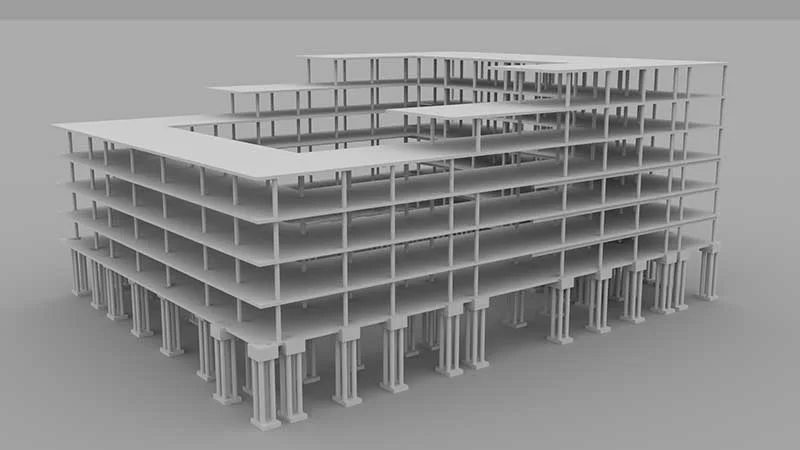
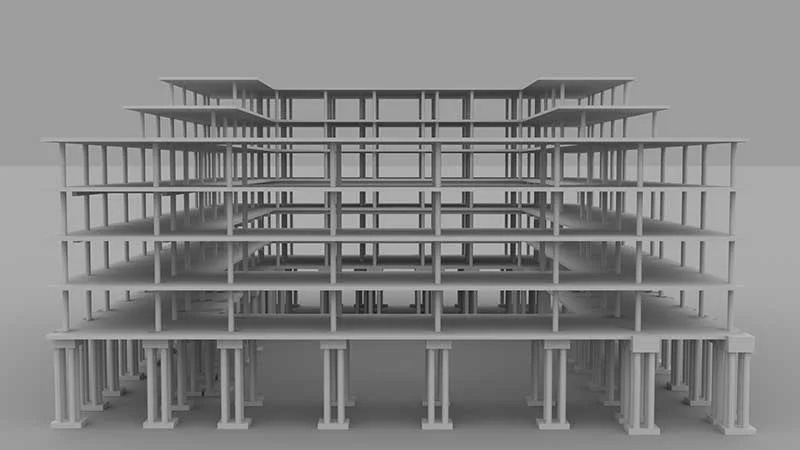
Projects commonly involve reinforced concrete systems, structural steel framing, composite assemblies, foundation systems such as rafts and pile-supported foundations, retaining structures, and substructure components, depending on the defined project scope.
Structural models are developed within coordinated BIM workflows where clash detection reviews, model exchanges, and interdisciplinary coordination cycles are conducted to reduce system conflicts before construction documentation is finalized.